

Livestock
Livestock
The Extension Livestock Program provides timely resources and information to help farmers, consumers and allied industry to make informed decisions about beef cattle, poultry, sheep and goats, equine, swine, and meat science using research-based information. There are also resources for youth caring for livestock.
Livestock Educators work to:
- Collaborate with producers to identify needs and deliver research-based solutions to help them meet their goals
- Develop/maintain specific expertise related to livestock production/management
- Build trust-based relationships with various stakeholder groups
We work with:
- Partner agencies
- Campus departments
- Species-specific organizations
Upcoming Events
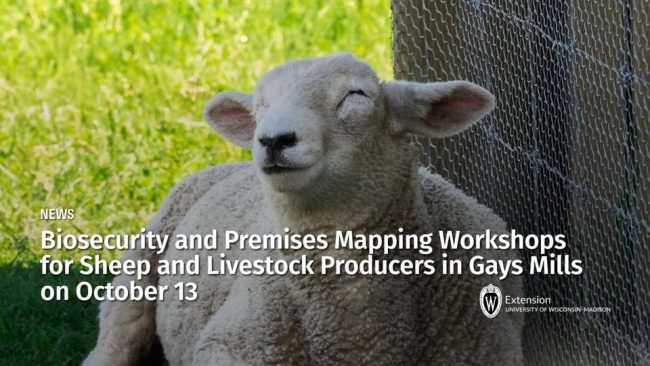
Biosecurity and Premises Mapping Workshop for Sheep & Livestock Producers
Date: Monday, October 13, 2026
Time: 6:00PM – 8:00PM
Location:
Gays Mills Community Commerce Center
16381 WI-131
Gays Mills, WI 54631
Sheep producers and livestock owners are invited to attend two complimentary workshops focused on protecting animal health, enhancing disease preparedness, and strengthening farm resilience on Monday, October 13, 2026, at the Gays Mills Community Commerce Center, Gays Mills, Wisconsin. The workshop is open to all who are interested.
Recent News & Articles
Shearing Day Preparation and 2026 Sheep Shearers Directory
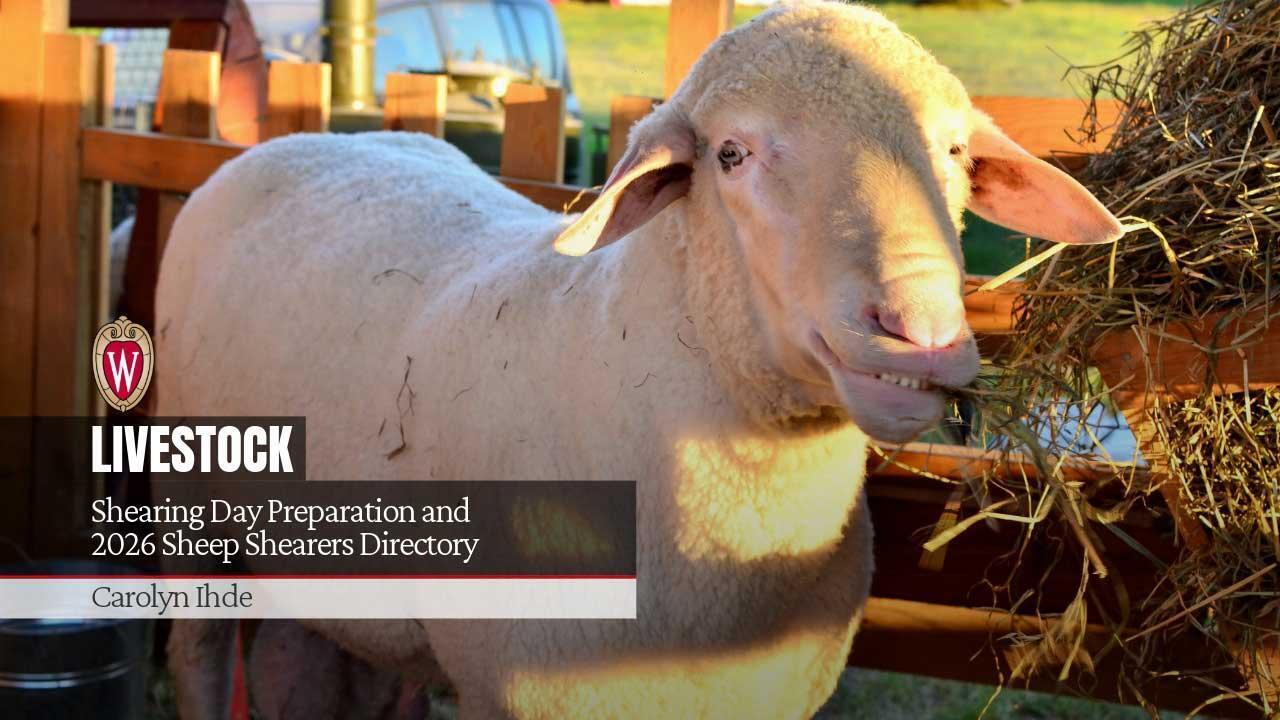
As professional shearers become fewer and schedules fill quickly, Wisconsin producers are encouraged to reach out several weeks to a couple of months ahead of their intended shearing date to ensure the shearer can fit the flock into the route and that the schedule works for both parties.
Asian Longhorned Tick Video
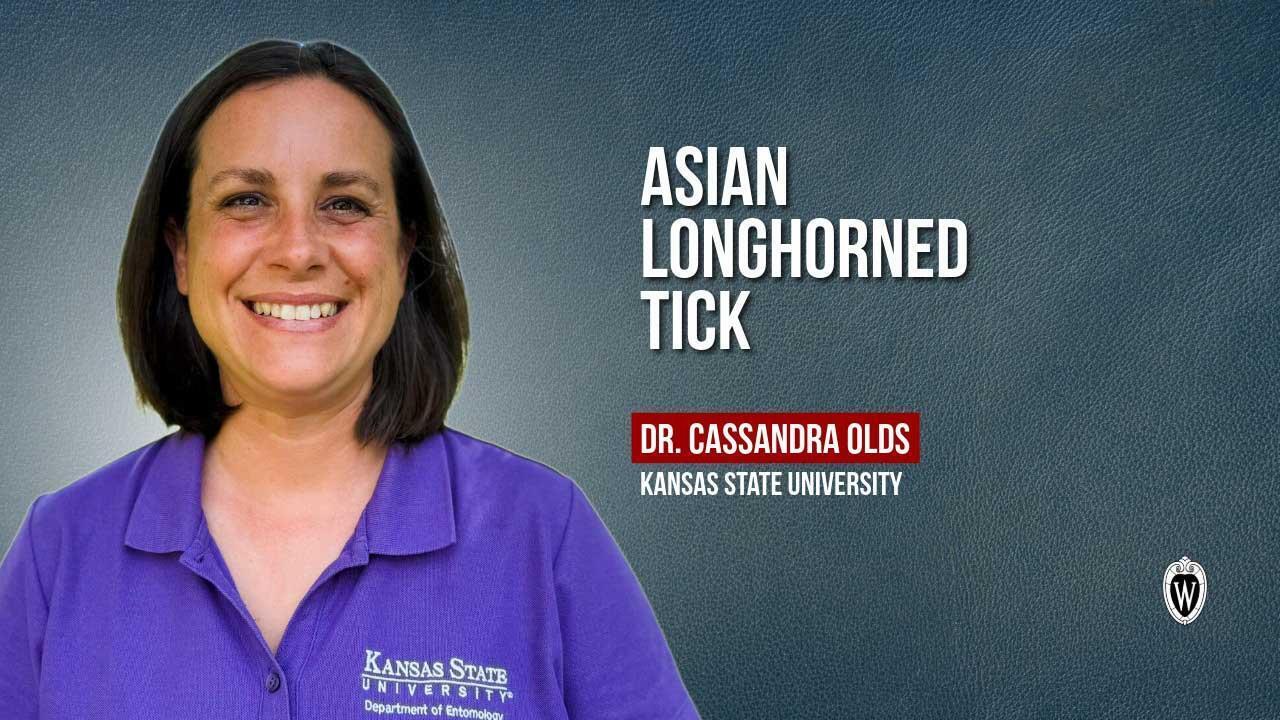
Dr. Cassandra Olds, Kansas State Entomologist shares information about the Asian Longhorned Tick and Theileriosis, their potential impact on cattle in Wisconsin, prevention and treatment options, what Wisconsin beef producers can do now, and what to expect next.
Livestock Risk Protection
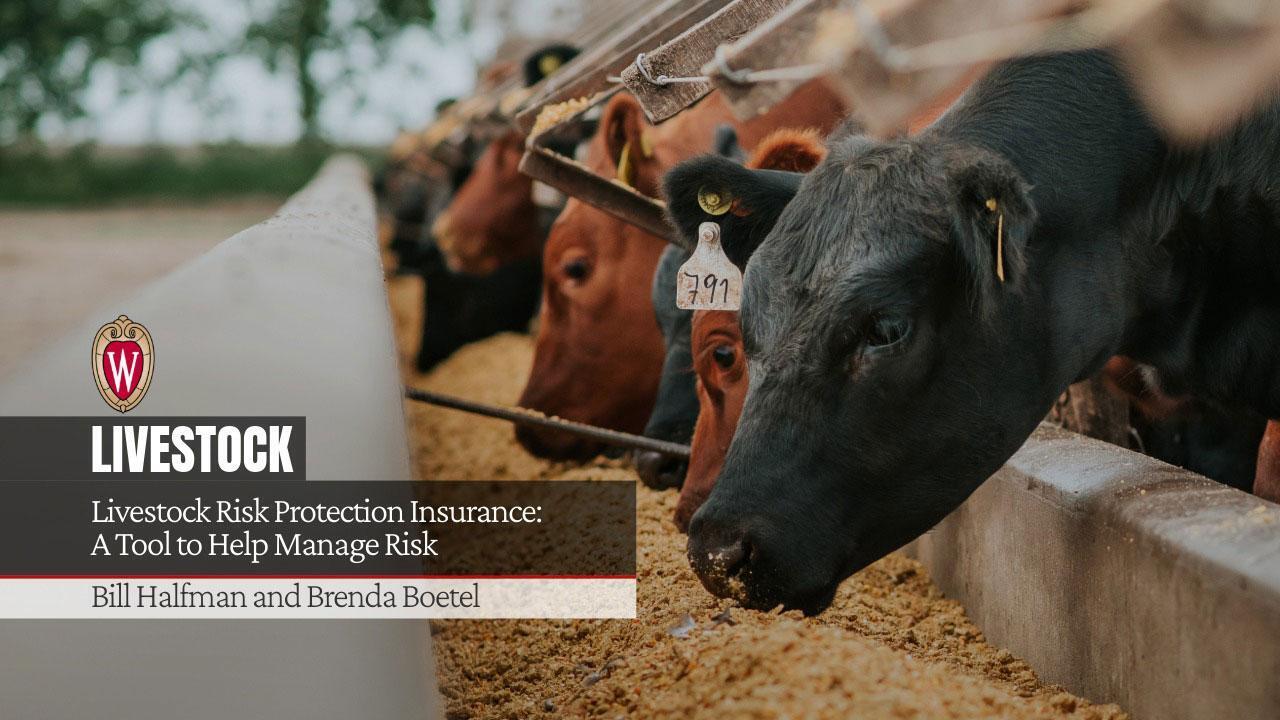
Feeder calf and fed cattle prices are currently high, and so are the input costs to raise them. Beef producers are taking on a lot of risk. To help mitigate that price risk, beef producers can look at using Livestock Risk Protection Insurance (LRP) to protect against unforeseen price drops.
Visit the Livestock Topic Hub for more information.
Latest News in Livestock
- Fall 2026 cattle feeder projections outline expected costs, sale prices, and margins using regional averages; producers should apply their own data for accurate decisions.
- Join UW–Madison Extension’s free monthly Beef Roundup Webinar Series from Nov 2026 to Apr 2027. Registration required.
- Cattle producers unlocked high-value herd and forage strategies at Extension's Sept. 23 workshop in Westboro.
- University experts share key strategies for feedlot nutrition, herd health, and market risk management to maximize livestock profitability.
- UW-Madison Division of Extension is hosting a free Cow-Calf Workshop on August 24, 2026, in Arcadia, WI at Solhjem Farms; registration requested by August 19.